

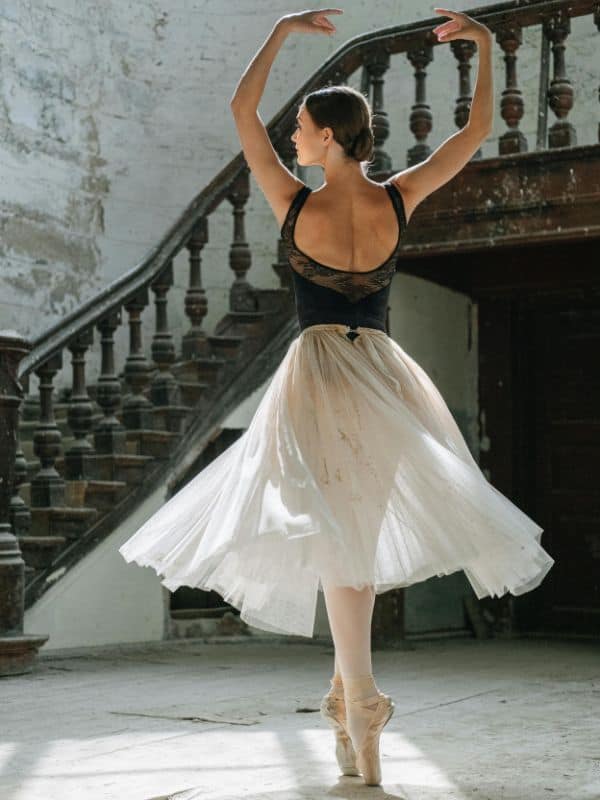
Dance Injury Physical Therapy in Ellicott City, MD
Dancers move in ways most patients never will, and their rehab should reflect that. At Revive Physical Therapy, you work one-on-one with a licensed physical therapist who evaluates your turnout, relevé, and landing mechanics, not just the spot that hurts. With appointments within 24 hours, weekend hours, and two Ellicott City locations, getting evaluated will not cost you a week of class.
Request Your Evaluation
Who Our Dance Injury Program is For
Our dance injury physical therapy program serves dancers of every style and level across Ellicott City and Howard County, including ballet, contemporary, jazz, hip hop, Irish dance, and competitive studio teams. We treat recreational dancers, pre-professional students preparing for auditions and summer intensives, and adults returning to dance after time away.
We also work closely with parents of young dancers. Our therapists have specialized experience in pediatric and adolescent orthopedic and sports injuries, so if your child is dancing 10 or more hours a week, complaining of nagging foot or hip pain, or preparing to start pointe work, an evaluation now can prevent potential injuries later.
Student and competitive dancers
Injury care that keeps you training safely through competition and recital season instead of pulling you out of class entirely.
Pre-pointe and pointe dancers
Readiness screening and strength work for the ankle and foot demands of pointe.
Adult and returning dancers
A realistic plan for rebuilding strength, mobility, and confidence after a break or injury.
Dance Injuries We Treat
Dance places repetitive, extreme-range demands on the feet, ankles, hips, and spine. These are the dance injuries our physical therapists treat most often at our two Ellicott City clinics:
Dealing with pain that is not on this list? Our clinics treat the full range of orthopedic and sports injuries. Visit our Sports & Orthopedic page or call us to talk through your symptoms.
How Revive Evaluates Dance Injuries
Your first visit is a full one-on-one evaluation with a licensed physical therapist, typically lasting 45 minutes to an hour. We start with your dance history: style, hours per week, recent increases in training, and which specific movements bring on your pain.
Then we watch you move. Rather than only treating the painful spot, we evaluate how you move to identify the root cause of the problem. For dancers, that means assessing the positions that matter for your dancing, such as plié depth, relevé height and control, single-leg landing mechanics, and how your turnout is produced. Forced turnout through the knees and feet can contribute to pain and compensation patterns that are only visible when your therapist watches you perform dance-specific movements.
Movement analysis
Relevé, plié, jumps, and landings assessed for control, alignment, and compensation patterns.
Turnout assessment
Measuring how much turnout comes from the hips versus being forced through the knees and feet.
Strength and mobility testing
Objective measures of ankle, hip, and core strength so progress is tracked with numbers, not guesswork.
Pointe readiness screening
For young dancers, a structured assessment of the strength and control needed before starting pointe.
What Dance Injury Treatment Includes
Every plan is individualized around one goal: a long-lasting recovery that gets you back to full dancing, not just temporarily out of pain. Telling a dancer to “just rest” is rarely a plan. Instead, we modify your training load so you keep as much class time as safely possible while the injured tissue recovers.
Your program typically combines hands-on manual therapy to restore joint and soft tissue mobility, progressive strengthening targeted to the demands of your style, and technique-informed movement retraining. Our therapists hold advanced certifications in orthopedic manual therapy and dry needling, which can be incorporated into your plan when appropriate. As you improve, we build a graded return-to-dance progression, from barre work through center, jumps, and finally full choreography and performance.
You also leave every visit with a focused home program and practical tips to keep yourself healthy, because the strength that protects dancers is built between sessions, not only during them.
Manual therapy
Hands-on treatment for joint stiffness and soft tissue restrictions limiting your range.
Dance-specific strengthening
Foot intrinsic, calf, hip, and core work matched to the demands of relevé, jumps, and extensions.
Load management
A week-by-week plan coordinated with your class, rehearsal, and performance schedule.
Return-to-dance progression
Clear criteria for when to add back pointe work, jumps, and full performance.
Why One-on-One Care Matters for Dancers
At many large physical therapy clinics, your therapist may divide attention between multiple patients, with part of the visit spent completing exercises independently. For dancers, close observation can be especially valuable. The difference between efficient turnout and compensating through the knees and feet can be subtle, and correcting those patterns requires careful attention to how you move throughout the session.
Ready to find out what’s keeping you from dancing comfortably?
Book Your EvaluationPhysical Therapists Dancers Can Trust
Revive Physical Therapy has spent over 15 years helping Ellicott City and Howard County patients recover from pain and injury. Our multidisciplinary team includes doctorate-level physical therapists with advanced credentials in orthopedic manual therapy (COMT), certified integrative dry needling (CIDN), vestibular rehabilitation, and pediatric and adolescent sports medicine, exactly the skill set the extreme ranges and repetitive loading of dance demand.
Our clinics also serve as a clinical training site for graduate physical therapy programs across the region, which means our therapists teach the evaluation and treatment standards the next generation of PTs learns from. Meet the team on our Our Team page.
Don’t take our word for it. Read what patients say about their experience at both locations on our Testimonials page, drawn directly from verified Google reviews.
All major insurances are accepted. Visit our Insurances page for details, or call and our team will verify your benefits before your first visit. Paying out of pocket? See our Self Pay options.
Dance Injury Physical Therapy: Frequently Asked Questions
Do I need a doctor’s referral to start physical therapy?
As a patient, you have the right to choose your physical therapy provider, and in most cases you can schedule an evaluation with us directly. Some insurance plans do require a physician referral or prescription for coverage, so call us at (410) 988-5171 or (443) 364-3015 and our team will verify your benefits and let you know exactly what your plan requires.
Can I keep dancing while I go through physical therapy?
Usually, yes. Complete rest is rarely the right answer for dancers. In most cases we modify your training, for example limiting jumps or pointe work temporarily, while keeping you in class. Your therapist will give you specific guidance based on your injury and your performance schedule.
Do you offer pointe readiness assessments?
Yes. We provide structured pre-pointe screenings that assess ankle strength, foot control, single-leg balance, and overall readiness for the demands of pointe work. You will receive clear findings you can share with your dance teacher.
I’m not sure my child’s pain is serious enough for physical therapy. What should we do?
Pain that reliably shows up during or after dancing is worth evaluating, even if it fades by the next morning. If you are unsure whether physical therapy is the right fit, we offer a free 15-minute consultation with a licensed therapist to talk through your dancer’s symptoms and goals before you commit to anything. Call either location to schedule it.
What should we expect at the first visit, and how long will recovery take?
Your first visit usually lasts 45 minutes to an hour and includes a full one-on-one evaluation. Recovery time depends on the injury, how long it has been present, and your training schedule. After the evaluation, your therapist will discuss your recommended number of sessions and give you a realistic timeline with specific milestones, such as when to expect a return to jumps or pointe work.
Does insurance cover physical therapy for dance injuries?
Coverage varies by plan. Revive Physical Therapy accepts all major insurance plans, and our team can verify your benefits before your first visit. Call either location or visit our Insurances page for more information, and see our Self Pay options if you are paying out of pocket.
Have a question we did not cover here? Our What to Expect page answers common questions about insurance, what to wear, and what to bring to your first appointment.
Related Services at Revive Physical Therapy
Get Back to Dancing With Confidence
Whether it is a nagging ankle that flares up in relevé or a hip that catches in every extension, the sooner it is evaluated, the sooner you are back to full dancing. With appointments available within 24 hours at both Ellicott City locations, there is no reason to dance through the pain another week.
Book Your EvaluationNot sure if physical therapy is right for you? Ask about our free 15-minute consultation.
(410) 988-5171 Baltimore National Pike | (443) 364-3015 Waterloo Road